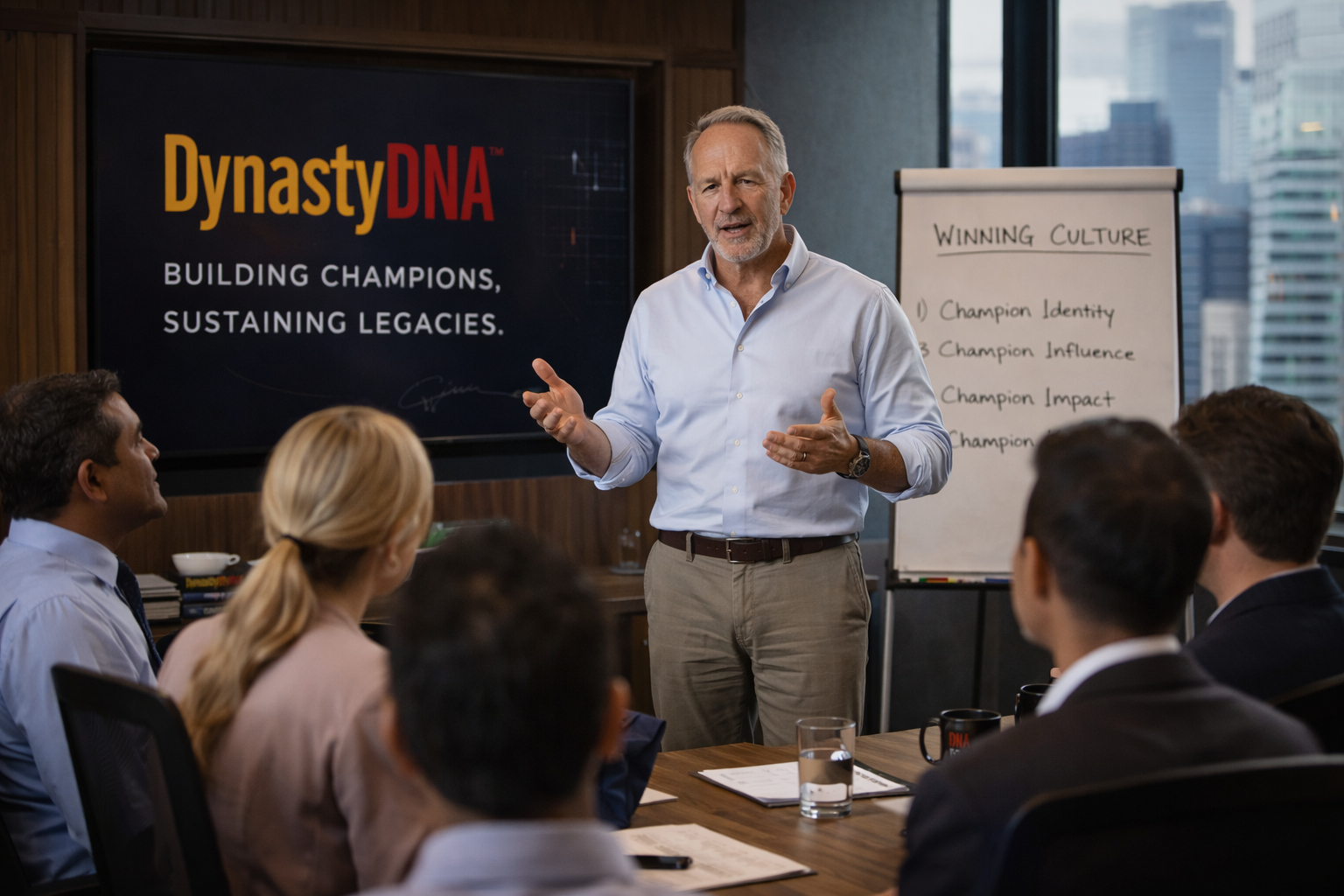
TL;DR: Culture transformation requires 18-36 months and systematic leadership alignment across your C-suite. Organizations with full executive sponsorship achieve 73% success rates versus 31% with partial buy-in. This guide provides nine evidence-based practices combining McKinsey's transformation model with Prosci's change management framework, including specific timelines, assessment methodologies, and sustainability mechanisms that prevent the 70% regression rate most initiatives face after two years.
What Makes Organizational Culture Transformation Different from Change Management?
Culture transformation addresses the foundational values, behavioral norms, and decision-making patterns that define "how we work here," while change management focuses on implementing specific operational or structural modifications within existing cultural parameters. According to Harvard Business Review, culture transformation requires fundamentally altering organizational identity, not just improving processes.
The distinction matters because the approaches, timelines, and success metrics differ substantially. Change management typically operates on 3-12 month cycles with clear start and end points. Culture transformation spans 18-36 months minimum and requires continuous reinforcement mechanisms that extend years beyond initial implementation.
Here's how they compare:
| Dimension | Change Management | Culture Transformation |
|---|---|---|
| Timeline | 3-12 months | 18-36 months |
| Scope | Specific processes/systems | Foundational values and norms |
| Measurement | Adoption rates, efficiency gains | Behavioral shifts, engagement scores |
| Leadership Role | Project sponsorship | Active behavioral modeling |
| Sustainability | Training and documentation | Integration into HR systems |
| Resistance Type | Skill/process barriers | Identity and belief conflicts |
Prosci's research shows that culture transformation requires addressing all five elements of their ADKAR model (Awareness, Desire, Knowledge, Ability, Reinforcement) at the organizational level, not just individual adoption. According to Prosci, employees who are connected with their organization's culture are four times more likely to be engaged at work – a metric that extends far beyond typical change management outcomes.
The timeline expectations differ dramatically. McKinsey's analysis of 2,000+ organizations shows culture transformation typically requires four distinct phases: diagnosis (4-6 weeks), design (2-3 months), pilot programs (6-9 months), and full-scale rollout (12-18 months). Change management initiatives compress these phases or skip diagnostic work entirely.
Key Takeaway: Culture transformation takes 18-36 months and changes organizational identity, while change management implements specific improvements within 3-12 months. Success requires different leadership commitments, measurement frameworks, and sustainability mechanisms that prevent the 70% regression rate within two years.
How Do You Assess Current Culture Before Transformation?
Start with a systematic culture audit measuring six core dimensions: leadership behaviors, decision-making patterns, collaboration norms, risk orientation, accountability mechanisms, and innovation practices. MIT Sloan Management Review provides a validated framework using 0-10 scoring across each dimension to identify gaps between current state, desired state, and leadership versus employee perceptions.
The assessment phase requires 4-6 weeks for comprehensive data collection and analysis. According to, a thorough culture diagnostic includes quantitative employee surveys (3-4 weeks for distribution and analysis), qualitative leadership interviews (1-2 weeks), and observational assessment of team interactions. This timeline assumes stakeholder cooperation and can extend to 8-10 weeks in global organizations requiring multiple languages.
Four Essential Assessment Methods
1. Quantitative Employee Surveys: Deploy organization-wide surveys measuring cultural dimensions on 0-10 scales. Target 70%+ response rates by ensuring anonymity and communicating how results will drive action. Include demographic segmentation to identify cultural pockets or divisions.
2. Leadership Behavioral Interviews: Conduct structured interviews with C-suite and senior leaders to assess their understanding of current culture, alignment on desired future state, and willingness to model new behaviors. Harvard Business Review notes that 70% of workers' experience is based on manager behavior, making leadership assessment critical.
3. Focus Groups and Listening Sessions: Facilitate small-group discussions (8-12 participants) across organizational levels and functions to surface unwritten norms, identify cultural champions and resisters, and understand emotional responses to potential change.
4. Behavioral Observation and Artifact Analysis: Examine meeting dynamics, decision-making processes, recognition systems, and physical/digital spaces. Review artifacts like internal communications, performance reviews, and promotion patterns to identify actual versus espoused values.
Red Flags Indicating Transformation Urgency
According to Gallup's workplace research, three critical indicators signal urgent cultural intervention:
- Annual voluntary turnover exceeding 20%
- Employee engagement scores below 65%
- Gaps of three or more points (on 10-point scales) between leadership and employee perceptions of cultural reality
Additional warning signs include declining employer brand metrics, increasing customer complaints about service quality, and rising ethics or compliance incidents. The combination of two or more indicators significantly increases urgency.
Sample Assessment Timeline (4-6 Weeks):
- Week 1: Design survey instruments, identify interview participants, communicate assessment purpose
- Weeks 2-3: Deploy surveys, conduct leadership interviews, facilitate focus groups
- Week 4: Analyze quantitative data, synthesize qualitative themes, conduct behavioral observations
- Weeks 5-6: Prepare diagnostic report with scoring across six dimensions, present findings to executive team, develop initial transformation roadmap
Organizations under 500 employees can compress this to 3-4 weeks. Enterprises with 5,000+ employees may require 8-10 weeks due to communication complexity and stakeholder coordination across geographies.
Key Takeaway: Culture assessment requires 4-6 weeks and measures six dimensions using surveys, interviews, focus groups, and behavioral observation. Red flags include turnover >20%, engagement <65%, and leadership-employee perception gaps >3 points on 10-point scales.
The 9 Essential Practices for Culture Transformation
The nine essential practices combine McKinsey's transformation model with Prosci's change management framework: executive leadership alignment, measurable culture outcomes, culture champions at every level, behavioral change reinforcement, communication cascades, resistance management, middle management engagement, HR system integration, and continuous measurement. Organizations implementing all nine practices achieve 73% transformation success versus 31% with partial adoption.
Practice 1: Secure Executive Leadership Alignment
Executive alignment predicts transformation success more than any other factor. According to McKinsey's research, organizations with full C-suite engagement achieve 73% transformation success rates compared to 31% when sponsorship is inconsistent or limited to HR and one executive champion.
Implementation Steps:
- Create Executive Responsibility Matrix (RACI): Assign specific cultural domains to individual executives. Harvard Business Review recommends: CEO owns vision articulation, CHRO owns measurement and talent alignment, CFO owns resource allocation, and operating executives own behavioral modeling in their functions.
- Establish Weekly Executive Culture Councils: Schedule standing 60-minute sessions where C-suite reviews transformation progress, addresses barriers, and aligns on messaging. These sessions must be protected time, not optional when schedules conflict.
- Implement 360-Degree Cultural Feedback: Assess each executive's alignment with desired cultural behaviors quarterly. Share results transparently and tie to compensation (10-15% of variable pay).
- Require Public Behavioral Commitments: Each executive identifies 2-3 specific behaviors they will start, stop, or continue to model the target culture. Publish commitments internally and track progress visibly.
Metrics and Timeline:
- Months 1-2: Complete RACI matrix, establish culture council cadence, design executive 360 process
- Months 3-6: Conduct baseline 360 assessments, publish behavioral commitments, track council attendance and decision quality
- Months 7-12: Measure executive alignment scores (target: 8.0+ on 10-point scale), assess cascade effectiveness to next leadership level
Organizations that fail to achieve executive alignment within the first six months should pause broader transformation efforts. According to Wharton research, leaders clearly and visibly dedicated to change have been found to be one of the singular success factors of culture change.
Practice 2: Define Measurable Culture Outcomes
Only 30% of organizations establish quantitative culture KPIs before launching transformation programs, according to Deloitte's 2023 Global Human Capital Trends. This measurement gap makes it nearly impossible to demonstrate progress or justify continued investment.
- Translate Values into Observable Behaviors: Convert abstract cultural values into specific, measurable behaviors with clear examples. If "collaboration" is a target value, define it as "seeks input from at least two other functions before major decisions" or "shares resources across team boundaries without requiring executive intervention."
- Establish Leading and Lagging Indicators: Leading indicators (manager behavior changes, employee perception of leadership commitment, champion network activation) become measurable within 6-9 months. Lagging indicators (innovation output, customer satisfaction, financial performance) manifest in 18-24 months.
- Create Culture Scorecards: Design dashboards tracking 8-12 metrics across categories: behavioral adoption (observation scores, 360 feedback), employee experience (engagement, connection to culture, psychological safety), and business outcomes (retention, productivity, customer metrics).
- Set Realistic Targets with Milestones: Establish 12-month, 24-month, and 36-month targets for each metric. Prosci's research shows that people-centric change management positively impacts employees across cultural metrics, including a 75% decrease in burnout and a 25% decrease in anxiety.
Sample Culture KPI Framework:
| Category | Metric | Baseline | 12-Month Target | 24-Month Target |
|---|---|---|---|---|
| Behavioral | Manager cultural modeling score (0-10) | 5.2 | 6.5 | 8.0 |
| Employee Experience | Cultural connection (% strongly agree) | 32% | 50% | 70% |
| Business Outcomes | Voluntary turnover (high performers) | 18% | 12% | 8% |
| Business Outcomes | Employee Net Promoter Score | 22 | 40 | 60 |
Timeline: Months 1-3 for KPI definition and baseline measurement, then quarterly tracking with monthly pulse checks on leading indicators.
Practice 3: Identify Culture Champions at Every Level
Culture champion networks require approximately 1 champion for every 15-20 employees to ensure sufficient coverage for peer influence without over-formalizing the change network, according to Prosci's benchmark study of 2,300+ change initiatives.
- Conduct Network Analysis: Use organizational network analysis tools or surveys to identify informal influencers across functions, levels, and geographies. Champions must be identified through influence mapping, not just volunteering, to ensure coverage across formal and informal networks.
- Establish Selection Criteria: Champions should demonstrate: credibility with peers, willingness to model new behaviors before perfection, ability to have difficult conversations, and 5-10 hours monthly time commitment. Avoid selecting only high performers or those already aligned with leadership.
- Provide Structured Training: Deliver 8-12 hours of initial training covering: culture transformation rationale, change management fundamentals, peer coaching techniques, and resistance management.
- Create Protected Time and Recognition: Allocate 10-15% of champions' roles to culture work with explicit manager support. Establish recognition systems (quarterly awards, executive visibility, career development opportunities) to sustain engagement.
Champion Network Calculation Example:
- Organization size: 800 employees
- Target ratio: 1:17 (middle of 15-20 range)
- Required champions: 47
- Distribution: 60% frontline (28), 30% middle management (14), 10% senior leadership (5)
Metrics: Champion activation rate (target: 90%+ attending monthly sessions), peer influence score (measured through network surveys), and behavioral modeling assessment (quarterly 360 feedback).
Timeline: Months 2-4 for identification and training, ongoing monthly sessions and quarterly recalibration.
Practice 4: Implement Behavioral Change Reinforcement
New behaviors require repeated reinforcement with 3-5 touchpoints weekly during the critical first 90 days, according to McKinsey's analysis of behavioral psychology research applied to organizational change. Touchpoints include manager check-ins, peer recognition, visible leader modeling, system/process alignment, and feedback loops.
- Design Multi-Channel Reinforcement System: Create reinforcement mechanisms across channels: manager one-on-ones (weekly behavioral check-ins), peer recognition platforms (Slack channels, team meetings), leadership visibility (town halls, skip-level meetings), and formal systems (performance reviews, promotion criteria).
- Establish Behavioral Observation Protocols: Train managers to observe and document specific cultural behaviors weekly. Use structured observation forms with clear behavioral indicators and rating scales (0-5: never observed to consistently demonstrated).
- Create Immediate Feedback Loops: Implement systems for real-time recognition when desired behaviors occur. According to Wharton research, most leaders greatly underestimate how many repetitions it takes for a message to sink in.
- Integrate into Existing Rhythms: Embed cultural reinforcement into existing meetings, reviews, and communication channels rather than creating separate "culture programs." Add 5-10 minutes to team meetings for cultural recognition or behavioral discussion.
Reinforcement Frequency Guidelines:
- Days 1-90: 3-5 touchpoints weekly (intensive reinforcement phase)
- Months 4-12: 1-2 touchpoints weekly (maintenance phase)
- Months 13+: Integrated into standard management practices (sustainability phase)
Metrics: Behavioral observation scores (weekly manager assessments), peer recognition frequency (target: 80%+ employees recognized monthly), and employee perception of reinforcement consistency (quarterly pulse surveys).
Practice 5: Execute Communication Cascades
Effective culture transformation communication follows a cascade pattern: CEOs communicate weekly through all-hands meetings, videos, or written updates; direct managers translate messages daily through team meetings, one-on-ones, and informal conversations, according to Prosci's benchmarking study analyzing communication patterns in 900+ successful versus failed change initiatives.
- Establish CEO Communication Cadence: Schedule weekly CEO communications during active transformation phases (months 1-12), then bi-weekly during sustainability (months 13+). Vary formats: live all-hands (monthly), video messages (weekly), written updates (weekly).
- Create Manager Communication Toolkits: Provide managers with talking points, FAQs, scenario responses, and discussion guides refreshed weekly. Include specific language for addressing common concerns and questions.
- Implement Message Consistency Protocols: Ensure core messages remain consistent while allowing local adaptation. Use the "core message + local context" framework: 70% consistent messaging, 30% manager customization for team-specific situations.
- Design Two-Way Feedback Mechanisms: Establish channels for employees to ask questions, share concerns, and provide input. Track question themes weekly to identify communication gaps or emerging resistance.
Communication Cascade Model:
| Level | Frequency | Format | Key Messages |
|---|---|---|---|
| CEO | Weekly | All-hands, video, written | Vision, progress, priorities |
| Senior Leaders | 2-3x weekly | Department meetings, skip-levels | Function-specific implications |
| Middle Managers | Daily | Team meetings, 1-on-1s, informal | Day-to-day application, support |
| Culture Champions | Daily | Peer conversations, recognition | Behavioral modeling, peer support |
Metrics: Message reach (target: 95%+ employees receive weekly communications), message comprehension (quarterly surveys testing understanding), and manager communication quality (employee ratings of manager effectiveness).
Practice 6: Manage Resistance Systematically
Effective resistance management diagnoses root causes across four categories: capability (lack of skills/knowledge), motivation (misaligned incentives or fear), systemic (processes/structures that contradict desired culture), and ideological (fundamental disagreement with direction), according to Harvard Business Review research analyzing 150+ transformation cases. Each category requires distinct interventions.
- Conduct Resistance Diagnosis: Use surveys, interviews, and manager assessments to categorize resistance by type. Avoid assuming all resistance stems from the same cause – misdiagnosis (e.g., providing training for motivation problems) wastes resources.
- Design Category-Specific Interventions:
- Capability gaps: Provide training, coaching, job aids, and practice opportunities
- Motivation issues: Realign incentives, address fears through transparent communication, create early wins
- Systemic barriers: Redesign processes, remove conflicting policies, align systems with desired behaviors
- Ideological opposition: Engage in dialogue, clarify non-negotiables, consider role changes or exits for persistent resisters
- Engage Middle Management Intensively: MIT Sloan research shows middle managers, caught between executive directives and frontline realities, often become transformation blockers rather than enablers. Organizations that fail to actively engage middle management as culture champions see 2.5x higher failure rates.
- Create Safe Channels for Concerns: Establish anonymous feedback mechanisms, listening sessions with senior leaders, and culture champion office hours where employees can voice concerns without fear of retaliation.
Middle Management Engagement Strategies:
- Dedicate 10-15% of middle manager roles to cultural ambassador responsibilities with protected time
- Provide direct CEO engagement through quarterly skip-level sessions
- Offer specialized training on leading through ambiguity and managing up/down simultaneously
- Create middle manager peer networks for support and problem-solving
Metrics: Resistance category distribution (track shifts from ideological to capability over time), middle manager engagement scores (target: 7.5+ on 10-point scale), and intervention effectiveness (measure behavioral change post-intervention).
Practice 7: Integrate into HR Systems
70% of culture transformations regress to previous patterns within two years when organizations fail to institutionalize new behaviors through performance management, hiring criteria, promotion decisions, and compensation structures, according to Boston Consulting Group's analysis tracking 200+ transformations over 5-year periods.
- Redesign Performance Management: Weight cultural behaviors and values demonstration at 20-30% of individual performance evaluations, equally balanced with results-based metrics. According to McKinsey's research analyzing 800+ organizations, this integration is critical for sustainability.
- Update Hiring and Onboarding: Revise interview guides to assess cultural fit through behavioral questions. Design onboarding programs that immerse new hires in cultural norms during first 90 days. Include cultural expectations in offer letters and employment agreements.
- Modify Promotion Criteria: Make cultural demonstration a gating factor for advancement. Implement consequences for high performers who violate cultural norms (e.g., blocking promotions, removing from leadership pipelines).
- Align Compensation and Recognition: Tie 10-15% of variable compensation to cultural behaviors. Create recognition programs celebrating cultural exemplars. Ensure cultural champions receive career development opportunities.
HR System Integration Checklist:
- Performance review templates updated with cultural competencies (20-30% weighting)
- Interview guides revised with behavioral questions assessing cultural fit
- Onboarding curriculum includes 4+ hours of cultural immersion
- Promotion criteria explicitly include cultural demonstration requirements
- Variable compensation tied to cultural metrics (10-15% of total)
- Recognition programs celebrate cultural exemplars monthly
- Succession planning considers cultural fit alongside capability
Timeline: Months 6-12 for system redesign and pilot testing, months 13-18 for full rollout, ongoing refinement based on feedback.
Practice 8: Establish Continuous Measurement
Organizations sustaining culture transformations conduct formal culture audits every 12-18 months to measure drift from target state, identify new pockets of resistance or misalignment, and refresh reinforcement mechanisms, according to Korn Ferry's research with 500+ organizations.
- Design Culture Refresh Cycles: Schedule pulse surveys quarterly (10-15 questions, 5-minute completion), annual deep-dive assessments (comprehensive surveys, focus groups, behavioral observations), and leadership alignment sessions (quarterly C-suite reviews of culture metrics).
- Create Real-Time Dashboards: Build dashboards tracking leading indicators (manager behavior scores, champion network activation, employee perception) with monthly updates. Share dashboards transparently across organization to maintain visibility and accountability.
- Establish Trigger Points for Intervention: Define thresholds that trigger accelerated refresh cycles: engagement drops >5 points, turnover increases >3 percentage points, leadership-employee perception gaps widen >1 point, or major organizational changes (leadership transitions, M&A, strategic pivots).
- Conduct Post-Implementation Reviews: At 12, 24, and 36 months, conduct comprehensive reviews assessing: achievement of target culture metrics, sustainability of behavioral changes, ROI of transformation investment, and lessons learned for continuous improvement.
Measurement Dashboard Components:
| Metric Category | Frequency | Target Audience | Action Threshold |
|---|---|---|---|
| Leading Indicators | Monthly | Executives, managers | <7.0 on 10-point scale |
| Employee Experience | Quarterly | All employees | <65% favorable |
| Business Outcomes | Quarterly | Board, executives | Trending negative 2+ quarters |
| Behavioral Observations | Weekly | Managers, champions | <70% desired behaviors |
Metrics: Dashboard utilization (target: 80%+ managers access monthly), measurement cycle adherence (100% completion of scheduled assessments), and action plan completion (target: 90%+ action items from reviews completed within 90 days).
Practice 9: Build Sustainability Mechanisms
Culture refresh cycles should occur every 12-18 months with pulse surveys (3-4 times yearly), annual deep assessments, leadership alignment sessions (quarterly), and champion network recalibration to prevent drift, according to Korn Ferry's sustainability research.
- Embed into Business Rhythms: Integrate cultural discussions into existing business reviews, strategic planning sessions, and operational meetings. Avoid creating separate "culture meetings" that compete for time and attention.
- Develop Cultural Stewardship Roles: Designate cultural stewards at department and function levels (distinct from initial champions) responsible for ongoing monitoring, reinforcement, and adaptation. Rotate stewardship roles every 18-24 months to prevent burnout and maintain fresh perspectives.
- Create Cultural Onboarding for New Leaders: Design intensive cultural immersion programs (2-4 weeks) for leaders joining from outside. Include shadowing cultural exemplars, facilitated discussions with culture champions, and explicit behavioral expectations.
- Establish Cultural Impact Assessments: Require cultural impact assessments for major decisions (reorganizations, policy changes, new initiatives) similar to financial or legal reviews. Assess whether proposed changes reinforce or undermine target culture.
For executives seeking support in building sustainable culture transformation capabilities, Leadership Coaching and Culture Transformation provides executive coaching and leadership development programs that help teams integrate cultural practices into daily operations and maintain momentum beyond initial implementation.
Sustainability Mechanism Timeline:
- Months 12-18: Transition from transformation to sustainability mode, establish refresh cycles, designate cultural stewards
- Months 19-24: Conduct first comprehensive culture refresh, update reinforcement mechanisms based on drift analysis
- Months 25-36: Fully integrate culture into business-as-usual operations, measure long-term sustainability
Key Takeaway: The nine practices – executive alignment, measurable outcomes, champion networks, behavioral reinforcement, communication cascades, resistance management, HR integration, continuous measurement, and sustainability mechanisms – must be implemented systematically. Organizations adopting all nine achieve 73% success rates versus 31% with partial implementation.
What Are the Biggest Implementation Challenges and Solutions?
The top three implementation challenges are middle management resistance (the "frozen middle" phenomenon), insufficient executive time commitment, and failure to maintain momentum beyond initial 6-12 months. According to MIT Sloan research, organizations that fail to actively engage middle management see 2.5x higher failure rates.
Five Common Failure Points with Solutions
1. Challenge: Executive Alignment Deteriorates After Launch
Root Cause: Competing priorities, lack of visible consequences for non-participation, insufficient time allocation
Solution: Tie 10-15% of executive variable compensation to cultural metrics, require quarterly 360 assessments with transparent results, establish weekly culture councils as protected time (not optional when schedules conflict)
Timeline: Address within first 90 days or pause broader transformation
2. Challenge: Middle Managers Become Blockers Rather Than Enablers
Root Cause: Caught between executive directives and frontline realities, lack of training on leading through ambiguity, insufficient time and resources
Solution: Allocate 10-15% of middle manager roles to cultural ambassador responsibilities, provide direct CEO engagement through quarterly skip-levels, create peer support networks, offer specialized training on managing up/down simultaneously
Investment: $2,000-5,000 per middle manager for training and support
3. Challenge: Transformation Loses Momentum After 6-12 Months
Root Cause: Initial enthusiasm wanes, competing initiatives emerge, lack of visible progress on business metrics
Solution: Celebrate early wins publicly (monthly recognition), maintain weekly CEO communication cadence through month 18, refresh champion networks quarterly, tie transformation milestones to business planning cycles
Metrics: Track momentum indicators monthly (champion engagement, communication reach, behavioral observation scores)
4. Challenge: Culture and Strategy Misalignment
Root Cause: Transformation designed without clear connection to business strategy, desired culture contradicts strategic requirements
Solution: Conduct strategy-culture alignment workshops with executive team before transformation launch, design cultural values that explicitly enable strategic priorities, measure cultural metrics alongside strategic KPIs
Example: If strategy requires innovation, target culture must include risk tolerance and psychological safety
5. Challenge: Insufficient Budget and Resources
Root Cause: Underestimating transformation investment, treating culture as "soft" initiative without dedicated funding
Solution: Allocate 2-4% of annual organizational revenue for comprehensive transformation ($500-5,000 per employee depending on size), according to Prosci's budget analysis of 1,500+ initiatives
Cost Breakdown: 30-40% assessment and design, 40-50% implementation (training, communication, tools), 10-20% measurement and sustainment
Budget Allocation Guidelines
| Organization Size | Total Investment | Per-Employee Cost | Timeline |
|---|---|---|---|
| <500 employees | $250K-500K | $500-1,000 | 12-18 months |
| 500-2,000 employees | $500K-2M | $1,000-2,000 | 18-24 months |
| 2,000-5,000 employees | $2M-10M | $1,000-2,000 | 24-30 months |
| 5,000+ employees | $10M-25M+ | $2,000-5,000 | 30-36 months |
Resistance Management Framework for Executives
When facing resistance, diagnose root cause before intervening:
- Capability gaps → Provide training, coaching, job aids
- Motivation issues → Realign incentives, address fears, create early wins
- Systemic barriers → Redesign processes, remove conflicting policies
- Ideological opposition → Engage in dialogue, clarify non-negotiables, consider role changes
According to Harvard Business Review, misdiagnosis (e.g., training for motivation problems) wastes resources and increases cynicism.
Key Takeaway: The biggest challenges – middle management resistance, executive alignment deterioration, momentum loss, strategy misalignment, and insufficient resources – require proactive solutions within first 6 months. Budget 2-4% of annual revenue ($500-5,000 per employee) for comprehensive transformation.
How Long Does Culture Transformation Take?
Culture transformation requires 18-36 months minimum across four distinct phases: assessment (4-6 weeks), design (2-3 months), pilot programs (6-9 months), and full-scale rollout (12-18 months), according to McKinsey's analysis of 2,000+ organizations. Organizations under 500 employees can compress timelines to 12-18 months, while enterprises with 5,000+ employees typically require 24-36 months.
Phase-by-Phase Timeline (18-36 Month Breakdown)
Phase 1: Assessment and Diagnosis (Months 1-2)
- Conduct culture audit across six dimensions (leadership, decision-making, collaboration, risk, accountability, innovation)
- Complete employee surveys, leadership interviews, focus groups, behavioral observations
- Analyze gaps between current state, desired state, and leadership versus employee perceptions
- Present diagnostic findings to executive team
- Milestone: Executive alignment on transformation need and target culture
Phase 2: Design and Planning (Months 2-4)
- Define measurable culture outcomes and KPIs
- Design executive responsibility matrix (RACI)
- Identify and train culture champion network
- Develop communication strategy and materials
- Create reinforcement mechanisms and measurement dashboards
- Milestone: Transformation roadmap approved with budget allocation
Phase 3: Pilot and Iteration (Months 5-12)
- Launch pilot programs in 2-3 departments or locations
- Implement behavioral reinforcement mechanisms (3-5 touchpoints weekly)
- Execute communication cascades (weekly CEO, daily manager touchpoints)
- Test HR system integrations (performance management, hiring)
- Measure leading indicators monthly, adjust approach based on feedback
- Milestone: Pilot success demonstrated through behavioral and engagement metrics
Phase 4: Scale and Institutionalization (Months 13-24)
- Roll out transformation organization-wide in waves
- Integrate culture into all HR systems (performance, hiring, promotion, compensation)
- Transition from intensive reinforcement to maintenance mode
- Establish sustainability mechanisms (refresh cycles, stewardship roles)
- Milestone: Target culture metrics achieved across organization
Phase 5: Sustainability and Continuous Improvement (Months 25-36+)
- Conduct 12-18 month culture refresh cycles
- Monitor drift and adjust reinforcement mechanisms
- Embed culture into business rhythms and decision-making
- Measure long-term business outcomes (innovation, performance, retention)
- Milestone: Culture transformation sustained without intensive intervention
Factors That Accelerate Transformation
- Strong executive alignment from day one (can reduce timeline 20-30%)
- Prior change management experience and capability
- Single-site or simple organizational structure
- Clear burning platform creating urgency
- Adequate budget and dedicated resources
Factors That Delay Transformation
- Regulated industries requiring compliance approvals (adds 30-40% to timeline, according to Deloitte's financial services research)
- Concurrent major changes (M&A, leadership transitions, strategic pivots)
- Global organizations with multiple languages and cultures
- Weak executive sponsorship or competing priorities
- Insufficient budget forcing phased approach
When to Expect Measurable Results
Leading indicators appear within 6-9 months:
- Manager behavior changes (observable through 360 assessments)
- Employee perception of leadership commitment (pulse survey scores)
- Culture champion network activation (participation rates)
- Voluntary turnover reduction (15-25% decrease)
Lagging indicators manifest in 18-24 months:
- Innovation metrics (new product launches, patent filings)
- Customer satisfaction and Net Promoter Scores
- Financial performance (productivity gains of 8-15%)
- Market position and competitive advantage
Key Takeaway: Culture transformation requires 18-36 months across five phases: assessment (1-2 months), design (2-4 months), pilot (5-12 months), scale (13-24 months), and sustainability (25-36+ months). Leading indicators appear in 6-9 months; business outcomes take 18-24 months. Organizations under 500 employees can compress to 12-18 months.
How Do You Sustain Culture Change After Initial Transformation?
Sustain culture change by integrating new behaviors into performance management (20-30% of evaluations), hiring criteria, promotion decisions, and compensation structures, then conducting formal culture audits every 12-18 months to measure drift and refresh reinforcement mechanisms. According to Boston Consulting Group, 70% of transformations regress within two years without these sustainability mechanisms.
Four Sustainability Mechanisms with Implementation Steps
1. Performance Management Integration
Embed cultural behaviors into performance evaluations at 20-30% weighting, equally balanced with results-based metrics. According to McKinsey's research, this integration is critical for long-term sustainability.
Implementation steps:
- Translate cultural values into observable behaviors with specific examples
- Train managers on behavioral assessment and documentation
- Implement consequences for high performers who violate cultural norms (block promotions, remove from leadership pipelines)
- Review cultural performance ratings quarterly in calibration sessions
2. Hiring and Onboarding Integration
Revise interview guides to assess cultural fit through behavioral questions. Design onboarding programs that immerse new hires in cultural norms during first 90 days.
Implementation steps:
- Update interview guides with 3-5 behavioral questions per cultural value
- Train hiring managers on cultural assessment techniques
- Include cultural expectations in offer letters and employment agreements
- Design 4+ hour cultural immersion sessions within first week of onboarding
- Assign culture buddies to new hires for first 90 days
3. Ongoing Measurement Dashboard
Build dashboards tracking leading indicators (manager behavior scores, champion network activation, employee perception) with monthly updates. Share dashboards transparently across organization.
Dashboard components:
- Behavioral observation scores (weekly manager assessments)
- Employee engagement and cultural connection (quarterly pulse surveys)
- Voluntary turnover rates (monthly tracking, especially high performers)
- Culture champion participation (monthly session attendance)
- Leadership 360 cultural alignment scores (quarterly assessments)
4. Culture Refresh Cycles
Conduct formal culture audits every 12-18 months with pulse surveys (quarterly), annual deep assessments, leadership alignment sessions (quarterly), and champion network recalibration, according to Korn Ferry's sustainability research.
Refresh cycle includes:
- Pulse surveys (10-15 questions, 5-minute completion) 3-4 times yearly
- Annual comprehensive assessments (surveys, focus groups, observations)
- Quarterly C-suite reviews of culture metrics and action plans
- Champion network recalibration (identify new champions, retire inactive ones)
- Trigger accelerated refresh for major changes (leadership transitions, M&A, strategic pivots)
Culture Refresh Cycle (12-18 Month Process)
| Month | Activity | Output |
|---|---|---|
| 1-3 | Pulse surveys, dashboard reviews | Identify drift areas |
| 4-6 | Deep-dive assessments, focus groups | Comprehensive culture report |
| 7-9 | Leadership alignment sessions | Updated action plans |
| 10-12 | Implement adjustments, refresh champions | Reinforcement mechanisms updated |
| 13-18 | Monitor impact, prepare next cycle | Sustainability metrics |
Organizations should also establish cultural stewardship roles at department and function levels, distinct from initial champions, responsible for ongoing monitoring and reinforcement. Rotate stewardship roles every 18-24 months to prevent burnout.
Key Takeaway: Sustainability requires integrating culture into performance management (20-30% weighting), hiring criteria, and compensation, plus conducting 12-18 month refresh cycles with quarterly pulse surveys and annual deep assessments. Without these mechanisms, 70% of transformations regress within two years.
Frequently Asked Questions
How much does organizational culture transformation cost?
Comprehensive culture transformation costs 2-4% of annual organizational revenue, translating to approximately $500-5,000 per employee depending on organization size, industry, and transformation scope. According to Prosci's analysis of 1,500+ transformation initiatives, cost breakdown includes: 30-40% for assessment and design, 40-50% for implementation (training, communication, tools), and 10-20% for measurement and sustainment. Smaller organizations (<500 employees) typically invest $500-1,000 per employee over 12-18 months, while enterprises (5,000+ employees) invest $2,000-5,000 per employee over 24-36 months due to complexity and scale. ROI becomes measurable within 12-18 months through reduced turnover (15-25% decrease), improved engagement (10-20 point increases), and productivity gains (8-15% efficiency improvements).
What is the success rate of culture transformation initiatives?
Organizations with full C-suite engagement achieve 73% transformation success rates, compared to 31% when executive sponsorship is inconsistent or limited to HR and one executive champion. According to McKinsey's research tracking 500+ transformation initiatives, success is defined as achieving >70% target culture adoption within planned timeframe and maintaining changes 24+ months post-implementation. The primary success factors include: executive leadership alignment (most predictive factor), clear measurable outcomes defined upfront, culture champion networks at optimal density (1:15-20 ratio), and integration into HR systems. However, Boston Consulting Group found that 70% of transformations regress within two years without sustainability mechanisms, highlighting the importance of post-transformation maintenance.
Can you transform culture without changing leadership?
Culture transformation without leadership change is possible but significantly more difficult, requiring existing leaders to demonstrate sustained behavioral change and authentic commitment to new cultural norms. According to Harvard Business Review, leaders must actively model desired cultural behaviors and make visible changes to their own leadership approach. Wharton research emphasizes that leadership effectiveness in times of change is critically related to emotional intelligence and visible dedication to transformation. When existing leaders cannot or will not adapt, organizations face a choice: invest heavily in executive coaching and development (60-70% of successful transformations include coaching components, according to Center for Creative Leadership), or make leadership changes. The key indicator is whether leaders' actions consistently align with stated cultural values – if gaps persist beyond 6-9 months despite coaching, leadership changes may be necessary.
How do you measure culture transformation progress?
Measure culture transformation through leading indicators (manager behavior scores, employee perception, champion activation) appearing in 6-9 months, and lagging indicators (turnover, engagement, business performance) manifesting in 18-24 months. Effective measurement requires dashboards tracking 8-12 metrics across categories: behavioral adoption (360 feedback, observation scores), employee experience (engagement, cultural connection, psychological safety), and business outcomes (retention, productivity, customer metrics). MIT Sloan Management Review recommends using 0-10 scoring across six cultural dimensions: leadership behaviors, decision-making patterns, collaboration norms, risk orientation, accountability mechanisms, and innovation practices. Organizations should conduct pulse surveys quarterly (10-15 questions, 5-minute completion) and comprehensive annual assessments to track progress and identify drift from target state.
What are the most common reasons culture transformations fail?
The top three failure reasons are insufficient executive alignment (reducing success rates from 73% to 31%), middle management resistance (the "frozen middle" phenomenon increasing failure rates 2.5x), and lack of sustainability mechanisms (causing 70% of transformations to regress within two years). According to MIT Sloan research, middle managers caught between executive directives and frontline realities often become blockers rather than enablers when not actively engaged as culture champions. Deloitte's research shows only 30% of organizations define quantitative culture KPIs before transformation, making it impossible to demonstrate progress or maintain momentum. Additional failure factors include: competing priorities that dilute focus, insufficient budget allocation (organizations need 2-4% of annual revenue), communication breakdowns (especially in cascade from executives to frontline), and failure to integrate culture into HR systems (performance management, hiring, promotion criteria).
Do you need external consultants for culture transformation?
External consultants accelerate transformation by 20-30% but are not required when internal change management capability is high and executive commitment is strong. According to Prosci's comparative analysis of 1,200+ change initiatives, consultants provide value through specialized expertise in culture diagnostics, external credibility for difficult messages, dedicated capacity (versus internal teams juggling transformation with day jobs), and cross-industry best practice knowledge. However, internal teams excel when organizations have prior transformation experience and dedicated change management functions. The decision factors include: organizational size and complexity (enterprises benefit more from external expertise), internal change management maturity (assess using capability assessments), budget constraints (consultants add 15-25% to total transformation cost), and urgency (consultants can compress timelines). Organizations can also use hybrid approaches: external consultants for assessment and design phases, internal teams for implementation and sustainability.
How is culture transformation different from employee engagement programs?
Culture transformation addresses foundational organizational values, behavioral norms, and decision-making patterns that define "how we work here," while employee engagement programs focus on improving satisfaction, motivation, and discretionary effort within existing cultural parameters. According to Harvard Business Review, engagement programs work within existing culture to improve employee experience through perks, recognition, and work environment enhancements. Culture transformation changes the underlying norms and assumptions that drive behavior, requiring 18-36 months versus 3-12 months for engagement initiatives. Prosci's research shows that employees connected with their organization's culture are four times more likely to be engaged at work, suggesting culture is a foundation for engagement rather than a synonym. Both can coexist but require different approaches: engagement programs use surveys and quick wins, while culture transformation demands executive behavioral modeling, systematic reinforcement, and HR system integration. The measurement differs too – engagement tracks satisfaction and motivation scores, while culture transformation measures behavioral adoption and values alignment.
What role does executive coaching play in culture transformation?
Executive coaching appears in 60-70% of successful culture transformations to help leaders identify behavioral gaps, develop new capabilities aligned with target culture, and model desired cultural attributes. According to Center for Creative Leadership research, coaching addresses unconscious leadership behaviors that contradict desired culture, skill gaps in new cultural competencies (e.g., shifting from directive to coaching leadership style), and emotional/psychological barriers to personal change. Coaching is most effective when tied to 360 feedback and cultural assessments, providing leaders with specific data on perception gaps between their self-view and how others experience their leadership. Wharton research emphasizes that leadership effectiveness in times of change is critically related to emotional intelligence, which coaching can develop. Organizations typically invest $5,000-15,000 per executive for 6-12 month coaching engagements during transformation.
Culture transformation represents one of the most challenging yet impactful initiatives organizations undertake. The nine practices outlined – executive alignment, measurable outcomes, champion networks, behavioral reinforcement, communication cascades, resistance management, HR integration, continuous measurement, and sustainability mechanisms – provide a comprehensive framework combining McKinsey's transformation model with Prosci's change management methodology.
Success requires realistic timeline expectations (18-36 months), adequate investment (2-4% of annual revenue), and unwavering executive commitment. Organizations that implement all nine practices systematically achieve 73% success rates versus 31% with partial adoption. The key is treating culture transformation as a strategic imperative requiring the same rigor, resources, and accountability as any major business initiative.
For CEOs and executive teams ready to begin their culture transformation journey, start with a comprehensive culture assessment measuring current state across six dimensions, secure full C-suite alignment on target culture and transformation approach, and establish measurable outcomes before launching broader initiatives. The investment in time and resources pays dividends through improved engagement, reduced turnover, enhanced innovation, and sustainable competitive advantage.
Ready to Get Started?
For personalized guidance, visit Leadership Coaching and Culture Transformation to learn how we can help.